
Consultation, call, contact, intake, attorney-profile, and practice-area paths visible on public pages
Law firms
Find intake-path issues before a potential client gives up.
Law firm websites often look polished while the actual intake path is fragile. A consultation button can point to an old form, a practice-area page can have no contact path, an attorney profile can show a phone number without a tap-to-call link, or a mobile visitor can miss the consultation action entirely. SiteLeak checks public evidence for those paths and turns it into a practical fix and retest checklist without reviewing legal claims or private intake rules.
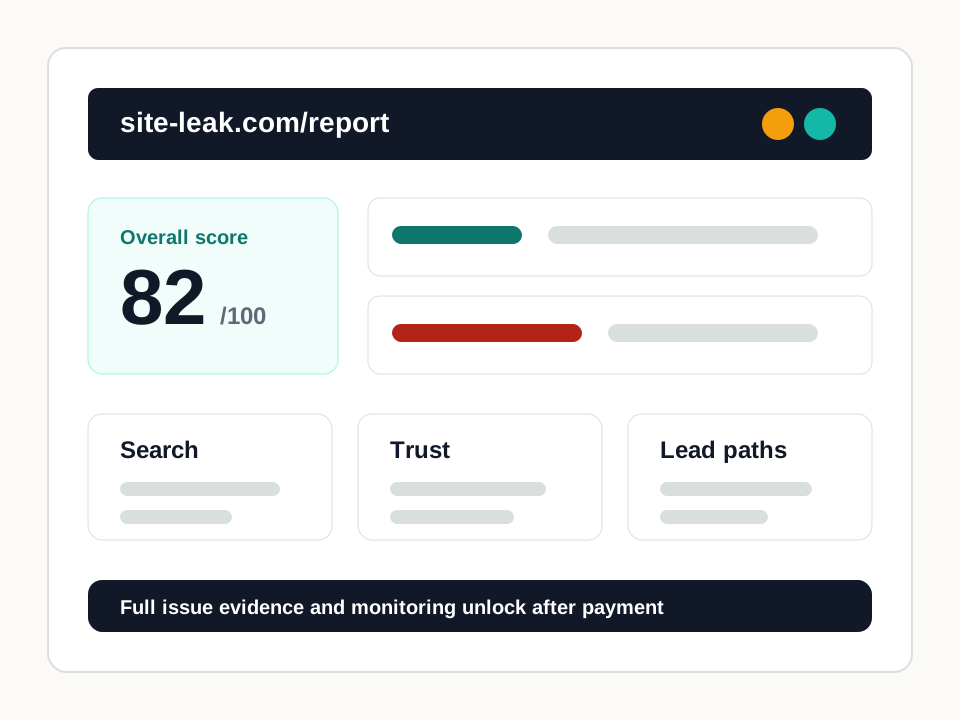
Pages and actions this check reviews
Broken consultation, intake, attorney, location, and practice-area links sampled from the public site
Intake-form signals such as submit actions, contact fields, disabled states, labels, and form action targets
Mobile first-screen evidence for consultation, call, contact, or case-review CTAs when public evidence supports it
Trust-path evidence such as attorney profiles, office locations, privacy links, secure-page hints, and script or provider issues
Where law firm sites lose inquiries
Potential clients usually need one next step: call, request a consultation, contact an attorney, or reach the right practice area. If that path is broken or buried on mobile, the site can look credible while intake quietly stalls.
What gets fixed first
Prioritize broken consultation links, disabled intake forms, non-clickable phone numbers, attorney-profile dead ends, and practice-area pages with no clear contact path.
Boundaries for legal sites
SiteLeak reports public website evidence only. It does not review legal advertising rules, legal advice, attorney-client intake requirements, or private case-management systems.
Who this page is for
Small law firms that rely on calls, consultation requests, and public intake forms.
Legal marketers maintaining practice-area pages, attorney profiles, and office-location pages.
Agencies that need a repeatable customer path QA layer for law firm websites.
Common ways customers get stuck
Free consultation buttons point to old form routes or removed landing pages.
Attorney profile pages show a phone number but no tap-to-call link on mobile.
Practice-area pages explain the service but have no visible contact or consultation path.
Intake forms appear on the page but the submit button is disabled or hidden on mobile.
Chat, tracking, or form widgets create script or provider issues near the intake path after updates.
Five paths to check first
Consultation request path
A visitor ready to talk to the firm should not hit a missing form, stale scheduler, or unclear next step.
First fix: Point consultation CTAs to the current public intake page and rerun the scan after publishing.
Mobile phone path
Many potential clients arrive from mobile search or directories and expect the number to be tappable.
First fix: Wrap firm and office phone numbers in tel: links on the homepage, contact page, attorney profiles, and practice pages.
Practice-area contact path
A practice-area page can receive high-intent traffic but still fail if it has no clear contact, call, or consultation action.
First fix: Add a visible consultation, call, contact, or intake action near the practice-area content and confirm it works on mobile.
Attorney profile path
Visitors often inspect attorney pages before contacting the firm, so profile dead ends can interrupt intent.
First fix: Add working phone, contact, location, and consultation links to attorney profiles and retest the public URLs.
Intake form path
Forms can look present while missing contact fields, labels, or submit actions that make follow-up possible.
First fix: Confirm the intake form exposes a visible submit action and clearly labeled name, email, phone, or message fields.
What SiteLeak checks
- Public consultation, intake, phone, contact, attorney-profile, location, and practice-area links.
- Broken action links sampled from public pages and navigation.
- Form structure signals such as contact fields, labels, submit actions, disabled states, and action targets.
- Mobile first-screen CTA evidence for call, contact, consultation, and intake paths.
- Trust-path evidence such as attorney profiles, office locations, privacy links, secure-page asset hints, and script signals.
How the scan stays focused
- It does not submit legal intake forms, create test matters, or enter private client information.
- It does not log into case-management, CRM, chat, call-tracking, or advertising platforms.
- It does not provide legal advice, compliance review, or legal advertising approval.
Example findings
checkout.broken_booking_linkHigh priority
Free consultation button leads to a missing intake page
The public consultation CTA resolves to a missing same-domain intake URL during sampled link checks.
Fix: Point the CTA to the current consultation or contact page and rerun the public scan.
conversion.phone_number_not_clickableHigh priority
Attorney profile phone number is visible but not tappable
The attorney profile shows a public phone number, but the scan does not find a matching tel: link.
Fix: Wrap the phone number in a tap-to-call link and confirm the mobile profile exposes the call action.
conversion.no_contact_pathHigh priority
Practice-area page has no obvious intake path
The public practice-area page lacks phone, email, contact, consultation, intake, or form signals in the scanned evidence.
Fix: Add a clear consultation or contact action near the practice content and retest the live page.
Fix Packet
Pay only when the scan finds a clear issue.
The free scan is the decision point. If the result matters, the Fix Packet adds the exact affected path, fix brief, owner and technical PDFs, and retest checklist.
Questions this scan can answer
Does SiteLeak review legal advertising compliance?
No. It checks public website paths, forms, CTAs, links, mobile evidence, and browser signals. Legal advertising review remains separate.
Will SiteLeak submit an intake or consultation form?
No. It checks public form evidence without submitting intake forms, creating test matters, or entering private client information.
Which law firm pages should be checked first?
Start with the homepage, contact page, consultation page, attorney profiles, locations, and high-priority practice-area pages.