
Booking, consultation, phone, contact, service, and gallery paths from public pages
Med spas
Find med spa booking leaks before consultations stop reaching you.
Med spa sites often combine treatment pages, booking widgets, consultation CTAs, gallery pages, reviews, and campaign landing pages. Those elements change as services, promotions, and software tools change. SiteLeak focuses on public website paths: can someone book, request a consultation, call, trust the page, and recover from a broken link?
Want to see the report first?View med spa sample report
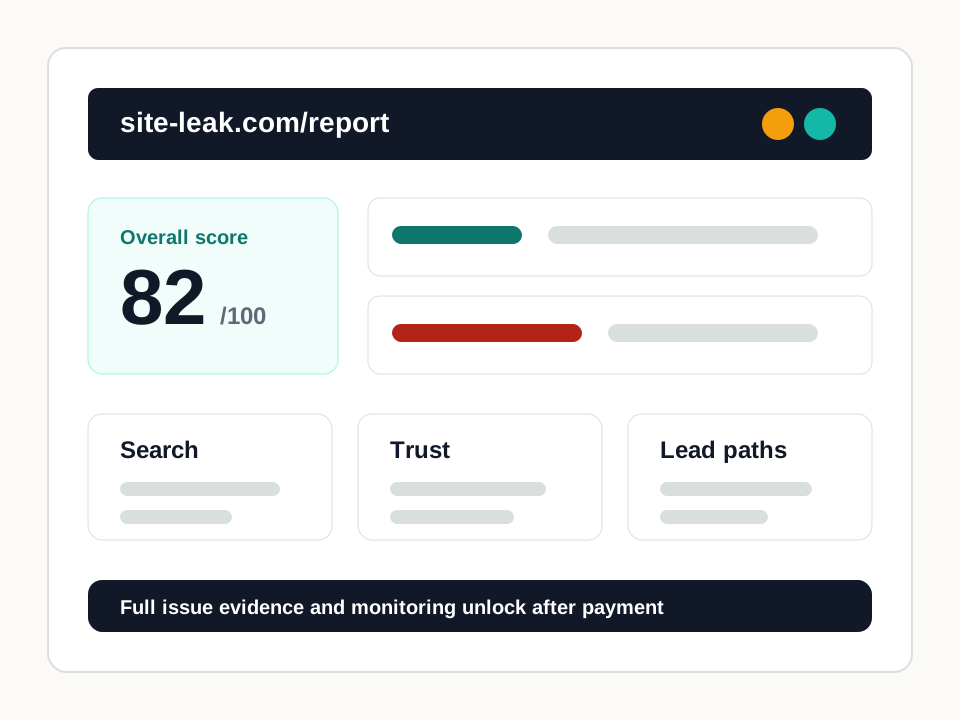
Pages and actions this check reviews
Broken treatment, gallery, campaign, booking, and contact links sampled from the homepage
Form evidence for consultation requests, including submit, disabled, action, label, and contact-field signals
Mobile first-screen CTA evidence for booking or consultation actions when public evidence supports it
Trust-path evidence such as visible contact details, privacy links, review cues, and secure-page asset hints
Why med spa pages need evidence
A treatment page can look polished while the consultation button, gallery link, or booking widget fails. SiteLeak keeps the report grounded in public findings instead of subjective design comments.
How to use the report safely
Use findings as a website maintenance checklist. The scanner does not review medical claims, advertising rules, treatment safety, or private client workflows.
Where retest fits
Retesting is useful after booking-widget updates, campaign launches, and gallery or review-script changes because those are common times for public paths to break.
Who this page is for
Med spa owners who update booking, treatment, review, and campaign pages.
Practice managers responsible for consultation forms and appointment links.
Med spa owners or operators checking public booking and contact paths.
Common ways customers get stuck
Booking-widget buttons point to an old provider or removed route.
Consultation CTAs are visible on desktop but buried below the first mobile screen.
Treatment pages have no phone, contact, booking, or consultation path.
Gallery or review scripts create script or provider issues near the action area.
Consultation forms lack a contact field, clear labels, or a usable submit action.
Five paths to check first
Consultation booking path
A treatment visitor often wants one clear way to book or request a consultation.
First fix: Confirm booking widgets load and CTAs point to active scheduler pages.
Treatment page contact path
Service pages can rank or be shared while missing the next action.
First fix: Add a visible consultation, call, or contact action near treatment copy.
Mobile CTA path
Campaign visitors may never see a buried booking action on mobile.
First fix: Move consultation or booking CTAs into the first mobile screen.
Gallery trust path
Broken gallery pages remove proof right when a visitor is evaluating the service.
First fix: Repair gallery routes or remove links until the public page works again.
Campaign landing path
Promotion pages, reviews, and tracking scripts change frequently.
First fix: Rerun scans after widget, gallery, review, or tracking-script edits.
What SiteLeak checks
- Public booking, consultation, phone, contact, treatment, gallery, and campaign links.
- Broken same-domain links that can stop a visitor before requesting a consultation.
- Form structure signals for consultation and contact paths.
- Mobile first-screen CTA evidence when public evidence supports it.
- Visible contact details, privacy links, review cues, secure-page asset hints, and script or provider issues.
How the scan stays focused
- It does not review treatment claims, medical advice, advertising compliance, or professional licensing.
- It does not submit forms, book appointments, or enter private client information.
- It does not log into booking, CRM, payment, or patient-management tools.
Example findings
checkout.broken_booking_linkHigh priority
Booking link leads to a dead page
The booking CTA is classified as an appointment path and returns an error during the public link check.
Fix: Update the booking destination to the active scheduler and retest the treatment-page path.
conversion.form_missing_contact_fieldMedium priority
Consultation form is missing a clear contact field
The form evidence does not identify an email, phone, name, message, or contact field.
Fix: Add an email or phone field and label it clearly so follow-up is possible.
security.mixed_content_hintMedium priority
Secure page references insecure assets
The public page is HTTPS but includes an HTTP asset reference detected in the scanned HTML.
Fix: Move the asset to HTTPS or remove it so the page keeps a cleaner browser trust path.
Fix Packet
Pay only when the scan finds a clear issue.
The free scan is the decision point. If the result matters, the Fix Packet adds the exact affected path, fix brief, owner and technical PDFs, and retest checklist.
Questions this scan can answer
Does SiteLeak review treatment claims or medical advertising rules?
No. It checks public website paths and public page details only. Claim review and professional advertising review are separate processes.
Will the scanner submit consultation forms?
No. It detects form and CTA signals without entering personal information or submitting appointments.
Which med spa paths should be fixed first?
Start with booking, consultation, phone, treatment-page, and contact paths because those are the actions visitors are most likely to take.