
Emergency service, request-service, quote, and booking links sampled from public pages
Plumbers
Check whether plumbing customers can call, book, or request service.
Plumbing websites depend on urgent mobile actions: tap to call, request service, schedule a visit, read service-area pages, and reach emergency pages. SiteLeak checks public evidence such as broken action links, phone-link signals, quote form structure, first-screen mobile CTAs, and public page issues so the business can fix and retest the paths homeowners actually use.
Want to see the report first?View plumber sample report
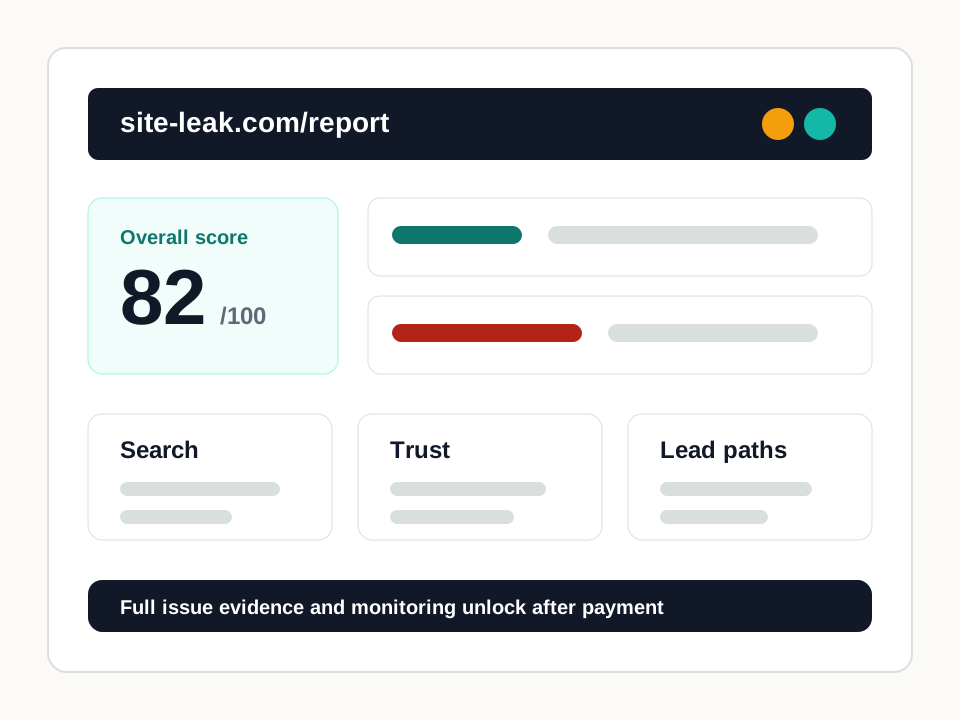
Pages and actions this check reviews
Phone numbers that appear but do not expose a matching tap-to-call link
Quote, estimate, and contact form fields, submit actions, and missing contact signals
Mobile first-screen evidence for call, book, request, and emergency CTAs
Issue IDs, priority, pages to fix, fix notes, and monitoring-ready retest steps
Built for urgent service paths
A plumbing customer often wants to call or request help quickly. A useful scan should therefore focus on contact, phone, emergency, service-area, booking, and quote paths instead of vague website commentary.
Evidence your site editor can use
The paid report turns what SiteLeak found into pages to fix, priority, fix notes, what SiteLeak found, and retest steps that can be handed to a site editor or agency.
Monitoring after the first fix
Emergency banners, tracking numbers, request forms, and service-area pages can change after the first repair. Weekly monitoring reruns the public checks and alerts when a customer path gets worse.
Who this page is for
Plumbing owners who rely on phone calls, emergency requests, and quote forms from public pages.
Office managers who need a quick way to check the website before a busy season or local campaign.
Agencies and site editors maintaining service-area pages, call tracking, booking tools, and request forms.
Common ways customers get stuck
Emergency service button points to an old page or inactive scheduler.
Phone number is visible on mobile but does not use a tap-to-call link.
Request-service form appears but the submit action is hidden or disabled.
Service-area or drain-cleaning page has no obvious call, quote, booking, or contact path.
Call-tracking, booking, or form scripts change after launch and the public path gets worse.
Five paths to check first
Homepage emergency CTA
A homepage emergency action is often the fastest path from urgent search intent to a call or service request, so a dead destination deserves high priority.
First fix: Point the emergency CTA to the current public phone, request-service, or booking path and retest it from mobile.
Tap-to-call phone number
A visible number can still create friction when mobile visitors cannot tap it, especially for urgent plumbing searches.
First fix: Wrap visible phone numbers in tel: links across the header, hero, footer, service pages, and location pages.
Request-service or estimate form
A form with missing contact fields, disabled submit actions, or weak mobile placement can interrupt quote and service requests.
First fix: Repair submit states, add clear contact fields, and confirm the request form remains reachable without submitting private data.
Service-area pages
Local service-area pages often receive campaign, directory, or organic traffic and need a clear next action.
First fix: Add a visible call, request, quote, or booking action near the service-area content and verify links after publishing.
Tracking and booking widgets
Call-tracking and booking tools can change outside a normal website release, which makes recurring checks valuable after the first fix.
First fix: Run the scan after provider or script changes, then start weekly monitoring if these paths change frequently.
What SiteLeak checks
- Broken action links for emergency service, request-service, quote, booking, and service-area paths.
- Phone, email, form, booking, contact, quote, and service CTA signals found in public evidence.
- Form structure signals such as labels, contact fields, submit actions, disabled states, and action targets.
- Mobile first-screen evidence for urgent call, emergency, request, and booking actions.
- Security headers, script signals, load timing signals, and what SiteLeak found from public evidence.
How the scan stays focused
- SiteLeak does not place calls, submit plumbing forms, create appointments, or enter private customer information.
- It checks public pages only and blocks localhost, private IP ranges, and internal hostnames before requests.
- It does not estimate revenue impact, promise job volume, or replace a full marketing review.
Example findings
conversion.phone_number_not_clickableHigh priority
Emergency phone number is visible but not tappable
The public mobile page shows an emergency phone number, but the scan does not find a matching tel: link near the call path.
Fix: Wrap the emergency number in a tap-to-call link and confirm the same action is visible on mobile service pages.
checkout.broken_quote_linkHigh priority
Request-service button leads to a missing page
The public request-service CTA is classified as a quote or booking path and returns an error during sampled link checks.
Fix: Point the button to the current request form or add a redirect from the old service-request path.
conversion.form_submit_disabledHigh priority
Plumbing estimate form submit action appears disabled
Static form evidence or public page details indicates a disabled submit action near the estimate request form.
Fix: Repair the form state, required-field logic, or CRM script, then retest without submitting customer data.
Paid report
Pay only when the scan finds a clear issue.
The free scan is the decision point. If the result matters, the paid report adds the exact affected path, fix brief, owner and technical PDFs, and retest checklist.
Questions this scan can answer
Does SiteLeak place test calls or submit plumbing quote forms?
No. It checks public phone, form, CTA, link, and public page details without placing calls, submitting forms, or creating customer records.
What should a plumber fix first?
Start with broken emergency links, non-clickable phone numbers, disabled quote forms, and mobile pages that hide the call or request-service action.
Why would a plumbing company use monitoring?
Monitoring is useful when call-tracking numbers, emergency pages, service-area links, form plugins, or campaign pages change and the owner does not want to manually test them every week.