
Reservation, order, menu, phone, location, and contact paths from public pages
Restaurants
Find menu, reservation, order, and mobile leaks before guests hit a dead end.
Restaurant sites change constantly: menus, hours, reservation providers, ordering links, event pages, and location details all move. Guests often arrive on mobile and need one fast path to reserve, order, call, or find the address. SiteLeak checks public evidence for those paths so operators can retest after routine updates.
Want to see the report first?View restaurant sample report
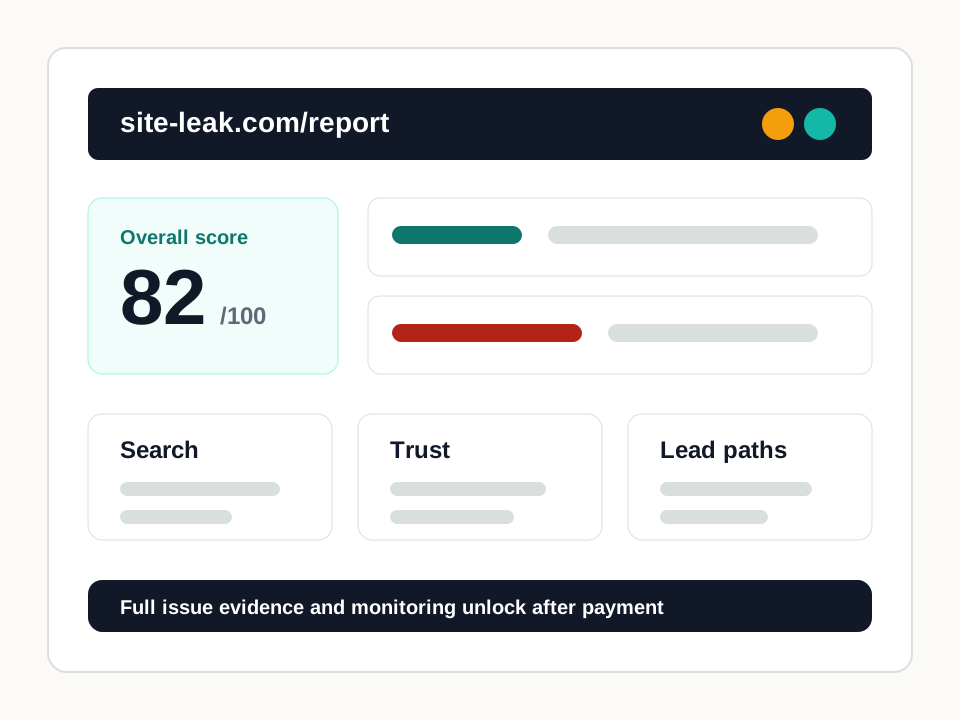
Pages and actions this check reviews
Broken menu, reservation, order, event, and location links sampled from the homepage
Mobile first-screen CTA evidence for reserve, order, call, or menu actions when public evidence supports it
Form and widget signals that can affect private dining, catering, or event inquiries
Trust-path evidence such as visible contact info, privacy/terms links, review cues, and script or provider issues
Why restaurants leak guests online
A guest may only need a menu, reservation, order link, phone number, or address. If any of those paths points to an old provider or sits below the first mobile screen, the site can be online but still fail the visit.
What to fix first
Prioritize broken reservation, order, menu, call, and location paths because those directly support the actions guests came to complete.
When to rerun the check
Rerun after menu rotations, seasonal-hours changes, delivery provider swaps, reservation platform changes, or embedded widget updates.
Who this page is for
Independent restaurants that update menus, hours, reservations, and ordering links themselves.
Restaurant groups that need a quick public check after location or platform changes.
Restaurants with high-change menus, ordering links, reservation links, and campaign pages.
Common ways customers get stuck
Reservation buttons still point to a removed third-party booking page.
Menu PDFs or dinner menu links break after a seasonal update.
Order buttons point to an inactive provider or missing location route.
Mobile visitors cannot see reserve, order, call, or menu actions in the first screen.
Private dining or catering inquiry forms have disabled submit buttons or missing contact fields.
Five paths to check first
Reservation path
Guests often arrive ready to reserve and will not debug a dead provider link.
First fix: Replace outdated reservation URLs and retest from the mobile homepage.
Menu browsing path
A broken menu link blocks guests before they decide to visit or order.
First fix: Restore the current menu URL or redirect old menu files to the live page.
Online order path
Ordering providers and location-specific URLs change often.
First fix: Confirm order CTAs point to active provider and location routes.
Location and call path
Mobile visitors need phone, map, hours, and location actions without scrolling around.
First fix: Move call, directions, or hours actions into obvious mobile positions.
Private event path
Catering and private dining forms are easy to overlook after menu or event edits.
First fix: Check event inquiry forms for contact fields, labels, and visible submit actions.
What SiteLeak checks
- Public reservation, order, menu, call, location, private-dining, and contact links.
- Broken same-domain paths sampled from the homepage.
- Mobile first-screen customer paths when public evidence supports it.
- Form evidence for event, catering, and private dining inquiries.
- Visible contact details, review cues, privacy/terms links, secure-page asset hints, and script or provider issues.
How the scan stays focused
- It does not place orders, book tables, or submit inquiry forms.
- It does not log into POS, reservation, delivery, or ordering platforms.
- It does not verify food safety, menu accuracy, tax, or legal requirements.
Example findings
checkout.broken_booking_linkHigh priority
Reservation link leads to a dead page
The public reservation CTA resolves to a missing or unreachable booking destination.
Fix: Replace the old provider URL with the current reservation page and retest from mobile.
checkout.broken_order_linkHigh priority
Order link leads to a dead page
The order CTA is classified as a customer path and returns an error during link checks.
Fix: Point the order action to the active ordering page or location-specific ordering route.
conversion.no_above_fold_ctaMedium priority
No customer path is visible in the first mobile screen
Browser evidence does not find a visible reserve, order, call, or menu action above the mobile fold.
Fix: Move the primary reserve, order, call, or menu action into the first mobile screen.
Fix Packet
Pay only when the scan finds a clear issue.
The free scan is the decision point. If the result matters, the Fix Packet adds the exact affected path, fix brief, owner and technical PDFs, and retest checklist.
Questions this scan can answer
Can SiteLeak check third-party reservation or ordering links?
It can check public links sampled from the site and flag dead destinations. It does not log into reservation, POS, or delivery accounts.
Will it place an order or make a reservation?
No. The scanner never places orders, completes reservations, or submits private customer information.
Is this useful for multi-location restaurants?
Yes. Start with the main public domain or location landing page, then monitor the domain tied to the report if the site changes often.