
Appointment, schedule, consultation, calendar, booking, and reservation links visible on public pages
Problem checker
Find appointment links that send customers nowhere.
Appointment links break in boring ways: a scheduler URL changes, a campaign page is removed, a location-specific link expires, or a mobile sticky button points to an old provider. SiteLeak checks public appointment, consultation, schedule, and booking paths with link status, CTA, and mobile evidence while avoiding private scheduler actions.
Reviewed scan evidence
- Evidence source
- Broad rerun plus repair-ready review
- Best fit
- Concrete booking, order, or reservation paths that fail
- Retest fit
- Provider, widget, and campaign paths that change often
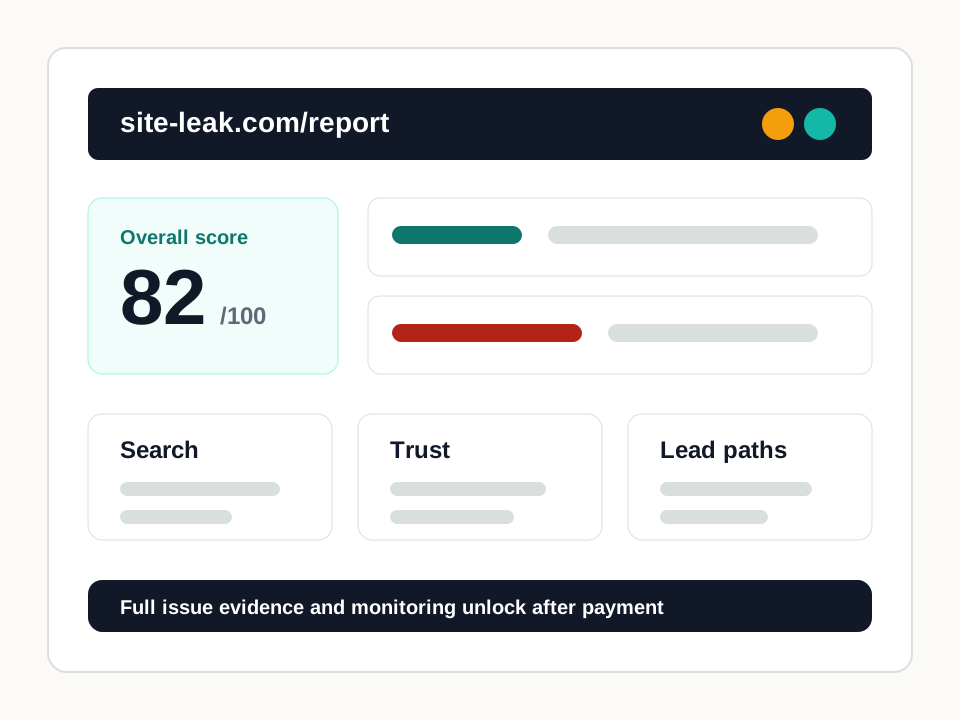
Pages and actions this check reviews
HTTP status, redirect, final URL, and broken-destination evidence for appointment paths
Mobile first-screen evidence for booking or appointment CTAs
Link text and path patterns that separate action links from lower-risk navigation
Fix Packet rows with source URL, priority, fix note, and retest instruction
Why this deserves its own page
Appointment searches are high intent. The person is not asking for a broad website check; they want to know whether a customer can reach the booking path right now.
Boundaries are clear
SiteLeak does not create appointments, reserve slots, log into schedulers, enter customer details, or bypass private booking flows. It checks the public path before those private steps.
How this turns into retesting
After the first repair, rerun the same public evidence checks when the booking path changes, disappears from mobile, or starts resolving to a broken destination.
What this page helps you decide
Use this page when the buyer needs to confirm whether appointment, consultation, scheduler, or booking links are still reachable from public pages.
Practical fixes after the scan
Replace stale scheduler URLs with the current appointment or consultation destination.
Add redirects from old campaign and service pages to the active appointment path.
Move appointment actions higher on mobile pages where visitors are likely to book from a phone.
Rerun the scan after publishing so the evidence reflects the live public path.
Rerun the scan when schedulers, providers, menus, or campaign pages change often.
Evidence examples
checkout.broken_booking_linkHigh priority
Appointment CTA opens a missing scheduler page
The public appointment link resolves to an error response instead of a live scheduler, booking, or consultation page.
Fix: Update the CTA to the active scheduler URL and retest from the public page customers use.
conversion.no_above_fold_ctaMedium priority
Appointment action is hidden on mobile
Browser evidence does not find a visible appointment, booking, consultation, schedule, or contact action in the first mobile viewport.
Fix: Move the appointment action into the first mobile screen and confirm it links to the current destination.
reliability.broken_linkHigh priority
Old location page links to a removed appointment path
A sampled same-domain link with appointment-related path text returns an error during public link checks.
Fix: Restore the page or redirect the old location appointment path to the current scheduler.
Scan evidence
What recent public scans showed
Booking paths are a strong fit when evidence is concrete: a visible appointment, reservation, schedule, or booking link that cannot be reached from the public page.
- Evidence source
- Broad rerun plus repair-ready review
- Best fit
- Concrete booking, order, or reservation paths that fail
- Retest fit
- Provider, widget, and campaign paths that change often
- External booking links need safe reachability checks and provider-aware labels.
- Same-domain appointment routes should only be paid blockers when the linked path is concrete.
- Common-path probes are useful for retest context but should not drive strong paid claims alone.
- Provider, widget, and campaign edits make booking paths a natural retest use case.
SiteLeak does not create appointments, reserve slots, or bypass private scheduler flows.
Fix Packet
Pay only when the scan finds a clear issue.
The free scan is the decision point. If the result matters, the Fix Packet adds the exact affected path, fix brief, owner and technical PDFs, and retest checklist.
Questions this scan can answer
Can SiteLeak check Calendly, booking widgets, or reservation providers?
It can check public links visible from the website. It does not log in, hold slots, submit appointment forms, or test private provider workflows.
Is this different from the booking link checker?
This page is written for appointment and consultation search intent. It uses the same SiteLeak scan flow but frames the evidence around scheduler and appointment paths.
What should I do if the free scan finds a broken appointment link?
Repair the link immediately, then buy the Fix Packet if you need every page to fix, what SiteLeak found, and copy-ready fix steps.