
Booking, appointment, reservation, consultation, schedule, calendar, and request buttons visible on public pages
Booking path
Check the button customers click when they are ready to book.
A booking button is small, but it often carries the whole conversion path for dentists, restaurants, med spas, law firms, salons, clinics, and local services. The button can look normal while pointing to an old scheduler, a removed campaign page, a third-party error, or a mobile layout where the action appears too late. SiteLeak checks the public booking path and gives you evidence before you buy a Fix Packet.
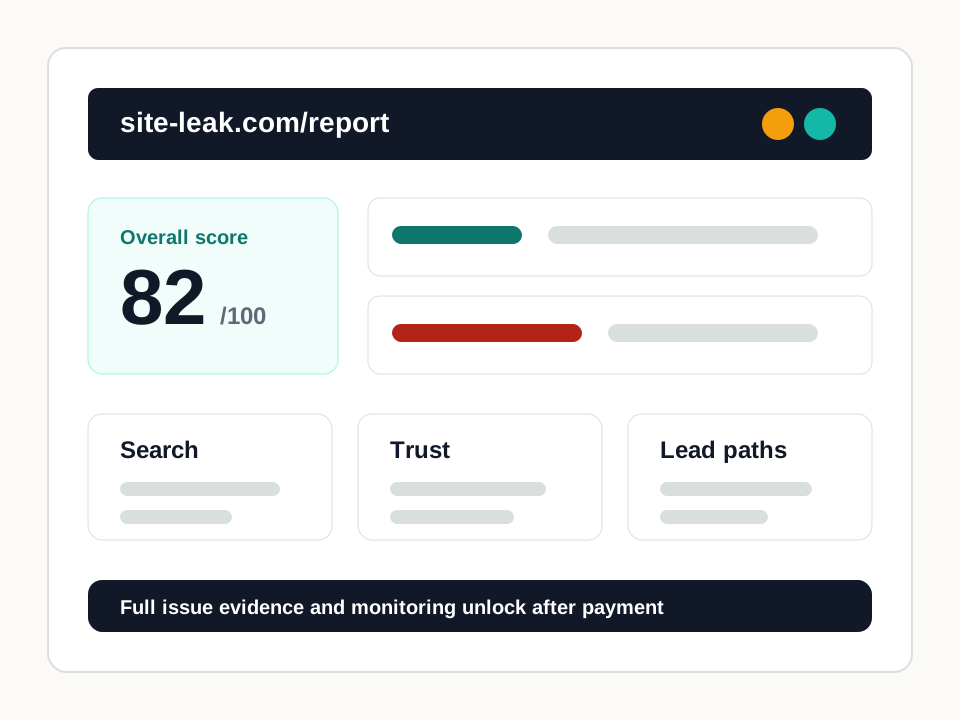
Visitor paths this page checks
HTTP status, redirect, provider-error, final URL, and broken destination evidence for booking paths
Mobile first-screen evidence when the booking button is missing, hidden, or buried
Form and CTA signals around appointment, reservation, consultation, and request flows
Monitoring evidence when a booking provider, campaign page, or menu update changes the path later
The button is not the proof
A visible button only proves the CTA rendered. The useful question is whether the destination loads, matches the current provider, and remains reachable on mobile.
What the scan can catch
SiteLeak can flag broken booking destinations, old appointment links, missing mobile booking actions, and public evidence that a booking path no longer matches the page intent.
Why monitoring fits booking paths
Booking links often depend on third-party providers. Weekly monitoring checks whether the same public path changes after provider updates, menu edits, location-page changes, or campaign launches.
What this page helps you decide
Use this page when the buyer wants to know whether a booking button, reservation button, appointment link, or scheduler CTA is blocking customers.
Practical fixes after the scan
Replace stale booking, appointment, reservation, consultation, or scheduler URLs with the current destination.
Add redirects from old campaign pages and location pages to the active booking path.
Move the booking action higher on mobile when first-screen evidence is weak.
Rerun the scan after publishing so the report shows the updated destination.
Start weekly monitoring for sites that depend on third-party schedulers, reservation tools, or frequently edited campaign pages.
Evidence examples
checkout.broken_booking_linkHigh priority
Booking button opens a removed scheduler page
The public booking CTA resolves to an error instead of a live scheduling, reservation, or appointment page.
Fix: Update the CTA to the current provider URL and retest from the public page.
conversion.no_above_fold_ctaMedium priority
Mobile page hides the booking action
Browser evidence does not find a visible booking, appointment, reservation, schedule, or consultation action in the first mobile screen.
Fix: Move the booking action into the first mobile viewport and verify the link target after publishing.
reliability.broken_linkHigh priority
Old campaign page still links to a dead appointment route
A sampled public link with booking-related path text returns an error during same-domain link checks.
Fix: Restore the appointment route or redirect the old path to the current scheduler.
Paid access
Use paid access when the scan finds a repair-ready issue.
The free scan is the decision point. If the result matters, the Fix Packet adds the exact affected path, repair brief, owner and technical PDFs, and retest checklist.
Questions this scan can answer
Does SiteLeak make a booking?
No. It checks public links, CTA evidence, and browser context without reserving slots, logging in, or submitting private information.
What should I fix first?
Start with dead booking destinations, hidden mobile booking actions, and old provider links connected to high-traffic pages.
Is this only for appointment businesses?
No. The same pattern applies to restaurant reservations, consultations, demos, service calls, and local booking paths.