
Book Now button text, hrefs, appointment-provider destinations, and scheduler-like URL patterns on public pages
Med spa tool
Test the med spa Book Now button patients actually click.
The Book Now button is often the highest-intent action on a med spa site, but it can fail quietly. It may point to a retired scheduler, sit below the first mobile screen, be covered by a sticky banner, or live on treatment pages without a matching consultation path. SiteLeak checks public Book Now evidence from the visitor's side and keeps the workflow simple: free preview first, Fix Packet when there is a blocker, monitoring when the path changes often.
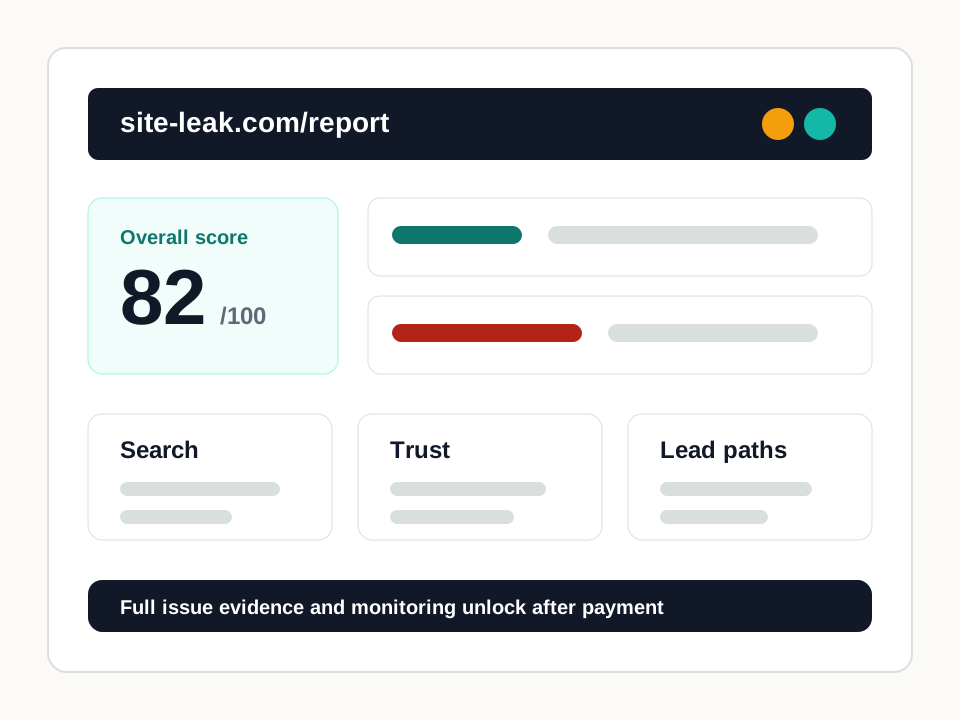
Visitor paths this page checks
Mobile first-screen evidence for booking, consultation, call, and contact actions when public evidence supports it
Broken destination status, redirect, and final URL evidence for public booking-button paths
Treatment, campaign, gallery, and location pages where a Book Now button should lead to the next step
Repair ticket details that separate true booking blockers from lower-risk metadata or design cleanup
The button is a path, not a decoration
A visible Book Now button does not prove the booking path works. The important evidence is the destination, the mobile placement, and whether the page gives the visitor a clear next step.
Good soft-launch intent
People searching for a Book Now button checker already understand the problem. The page can earn traffic by answering one narrow question and sending the reader into a scan immediately.
When to keep watching
Book Now buttons are exposed to scheduler changes, campaign edits, and template changes. Weekly monitoring is a good follow-up after the first repair because the same button can regress later.
What this page helps you decide
Use this page when a med spa wants to test the visible Book Now button and understand whether mobile visitors can reach a current scheduler or consultation path.
Practical fixes after the scan
Replace old provider URLs with the current scheduler or consultation destination.
Move the Book Now action into the first mobile screen on high-intent treatment and campaign pages.
Remove or repair duplicate Book Now buttons that point to conflicting destinations.
Rerun the scan after the template or provider update is live.
Use monitoring when sticky bars, booking widgets, campaign pages, or location CTAs change frequently.
Evidence examples
checkout.broken_booking_linkHigh priority
Book Now button leads to an old med spa scheduler
The CTA text indicates a booking path, but the checked destination returns an error instead of a current provider page.
Fix: Point the Book Now button to the current scheduler URL and retest the public page.
conversion.no_above_fold_ctaMedium priority
Mobile treatment page does not show Book Now in the first screen
Browser evidence does not find a visible booking, consultation, call, or contact action in the first mobile viewport.
Fix: Move the Book Now or consultation action higher in the mobile layout and rerun the scan.
conversion.form_submit_disabledHigh priority
Book Now path ends at a disabled consultation form
Public form evidence near the booking flow shows fields, but the submit action appears disabled or unavailable.
Fix: Repair the form state or widget settings and confirm the booking path exposes a usable next step.
Paid access
Use paid access when the scan finds a repair-ready issue.
The free scan is the decision point. If the result matters, the Fix Packet adds the exact affected path, repair brief, owner and technical PDFs, and retest checklist.
Questions this scan can answer
Can SiteLeak click a Book Now button?
SiteLeak checks public link and public-page evidence. It does not create appointments, submit forms, hold times, or log into booking providers.
What counts as a Book Now issue?
Dead scheduler destinations, removed campaign paths, hidden mobile actions, missing treatment-page CTAs, and public form evidence that blocks the next step can all matter.
Is this different from a generic broken-link check?
Yes. The page frames the evidence around med spa booking behavior, so booking and consultation paths are prioritized over lower-risk cleanup.